

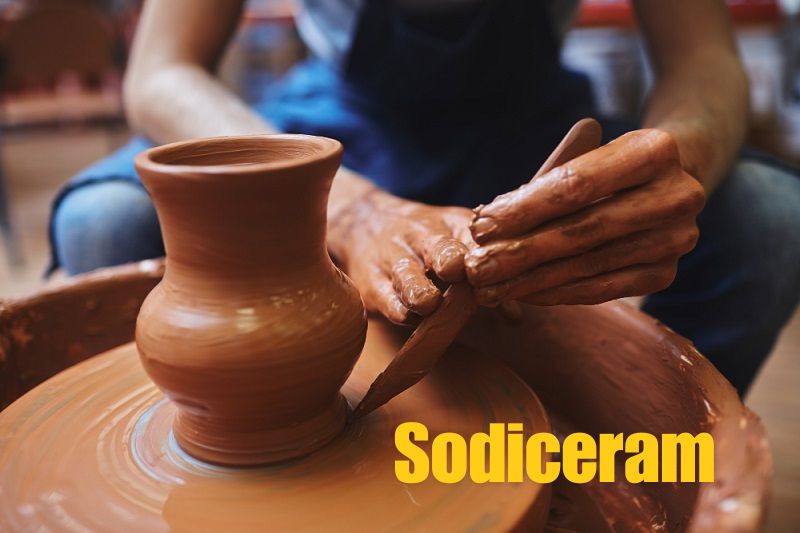


Advanced materials are shaping the future of construction, design, and industrial engineering. Among these materials, sodiceram has started gaining attention for its strength, durability, and versatility. While the term may still feel unfamiliar to many readers, it represents an important shift in how ceramic materials are engineered and used today.
This article explains it in a simple and practical way. You will learn what it means, how it is made, where it is used, what benefits it offers, and why it is considered part of the future of advanced ceramics. Whether you are a professional, a student, or simply curious about modern materials, this guide will give you a complete understanding.
What Is Sodiceram?
Definition
Sodiceram is a type of advanced ceramic material designed to offer higher performance than traditional ceramics. Unlike conventional ceramics used mainly for decorative or basic functional purposes, it is engineered for strength, durability, and long-term reliability.
The material is developed using controlled compositions and high-temperature manufacturing processes. This allows it to perform well in demanding environments where ordinary ceramics may fail. In simple terms, itf combines the natural advantages of ceramics with modern engineering techniques.
How Sodiceram Differs from Traditional Ceramics
Traditional ceramics are often brittle and limited in performance. They work well for tiles, household items, and decorative surfaces but struggle under heavy stress or extreme conditions.
Sodiceram differs in several key ways:
- Higher mechanical strength
- Improved resistance to heat and chemicals
- Greater uniformity and consistency
- Better suitability for industrial and architectural use
These differences place it firmly in the category of advanced or technical ceramics rather than traditional ceramic products.
Composition and Manufacturing Process
Raw Materials Used in Sodiceram
The performance of it depends heavily on its composition. Manufacturers use carefully selected raw materials, often including sodium-based ceramic compounds and other stabilizing elements. Purity plays a critical role because impurities can weaken the final product.
Each component is measured precisely to ensure consistent quality. This level of control allows it to meet high performance standards across different applications.
Manufacturing Techniques
The manufacturing process for it is more complex than that of conventional ceramics. It usually involves:
- High-temperature sintering
- Precision molding or pressing
- Controlled cooling to prevent internal stress
- Rigorous quality testing
These steps ensure that the material achieves high density and strength. Advanced manufacturing also reduces defects, which improves reliability and lifespan.
Key Properties of Sodiceram
Mechanical Strength and Durability
One of the strongest advantages of sodiceram is its mechanical strength. It resists cracking, chipping, and wear better than traditional ceramic materials. This makes it suitable for environments where surfaces experience repeated stress or impact.
Its durability also means fewer replacements over time. This is especially valuable in large-scale projects where maintenance costs matter.
Thermal and Chemical Resistance
Sodiceram performs well under extreme temperatures. It maintains stability where other materials may warp or degrade. This property makes it ideal for industrial and technical applications.
In addition, it resists chemical corrosion. It does not easily react with acids, alkalis, or other harsh substances. This chemical stability extends its lifespan and broadens its range of uses.
Aesthetic and Structural Flexibility
Despite its strength, sodiceram remains visually adaptable. Manufacturers can produce it in various finishes, textures, and colors. It maintains color stability over time, even when exposed to heat or sunlight.
This combination of strength and aesthetics allows designers to use it in both functional and decorative roles.
Uses and Applications of Sodiceram
Construction and Architecture
In construction, it is valued for its reliability and performance. Common uses include:
- Flooring systems
- Wall panels
- Exterior cladding
- Façades
Its resistance to weather, wear, and temperature changes makes it suitable for both interior and exterior applications. Architects appreciate its ability to combine durability with modern design.
Industrial and Technical Applications
Industrial environments often demand materials that can handle stress, heat, and chemicals. it meets these requirements effectively.
It is used in:
- Machinery components
- High-temperature systems
- Chemical processing environments
- Precision-engineered parts
In these settings, failure is not an option. Sodiceram provides the consistency and reliability that industrial applications require.
Design and Decorative Applications
Designers also use it for its clean appearance and long-lasting finish. It works well in modern interiors, commercial spaces, and sustainable architecture.
Its low maintenance requirements and premium look make it attractive for high-end projects where both performance and aesthetics matter.
Benefits of Using Sodiceram
Performance Advantages
Sodiceram offers an excellent balance between strength and weight. It delivers high performance without excessive material bulk. This makes installation easier and improves structural efficiency.
Its resistance to wear also means surfaces remain functional and attractive for longer periods.
Sustainability and Environmental Impact
Durability contributes directly to sustainability. Because it lasts longer, it reduces the need for frequent replacement. This lowers material consumption and waste over time.
Many manufacturers also optimize production processes to reduce energy use. As a result, sodiceram supports environmentally responsible construction and design.
Long-Term Cost Efficiency
Although it may cost more initially than traditional ceramics, it often proves more cost-effective in the long run. Reduced maintenance, fewer repairs, and longer lifespan offset the higher upfront investment.
For large projects, this long-term value can be a major advantage.
Other Advanced Ceramics
Comparison with Porcelain and Technical Ceramics
Porcelain and other technical ceramics share some similarities with it. However, it often offers better performance in specific areas such as durability and chemical resistance.
Porcelain focuses more on aesthetics, while it emphasizes engineering strength and reliability. Technical ceramics may match it in performance but can be more expensive or harder to manufacture.
When Sodiceram Is the Better Choice?
Sodiceram is the better choice when:
- Durability is critical
- Maintenance must be minimized
- Both performance and appearance matter
- Long-term value outweighs initial cost
These factors make it suitable for demanding and high-value applications.
Challenges and Limitations
Manufacturing and Cost Challenges
Producing it requires specialized equipment and expertise. This increases production complexity and cost. Not all manufacturers have access to the necessary technology.
As a result, availability may be limited in some regions.
Market Awareness and Adoption
Another challenge is awareness. Many consumers and professionals are still unfamiliar with it. Education and exposure are necessary for wider adoption.
As knowledge grows, demand is likely to increase.
Future of Sodiceram and Advanced Ceramics
Research and Innovation Trends
Ongoing research in material science continues to improve advanced ceramics. Scientists are working to enhance strength, reduce production costs, and improve sustainability.
it benefits directly from these innovations.
Expanding Industry Demand
Demand for high-performance materials is rising across industries. Construction, manufacturing, and technology sectors increasingly require materials that can handle stress and last longer.
Sodiceram aligns well with these demands.
Role in Smart and Green Architecture
Smart buildings and green architecture rely on durable, energy-efficient materials. Sodiceram fits this vision by offering long life, low maintenance, and strong performance.
Its role in sustainable infrastructure is likely to grow.
Frequently Asked Questions
What is sodiceram used for?
It is used in construction, industrial components, and advanced design applications.
How is sodiceram different from porcelain?
it focuses more on strength and performance, while porcelain emphasizes appearance.
Is it environmentally friendly?
Its long lifespan and low maintenance support sustainability.
How durable is it?
It offers high resistance to wear, heat, and chemicals.
Can sodiceram be used outdoors?
Yes, it performs well in exterior environments.
Conclusion
Sodiceram represents a significant step forward in ceramic technology. It combines durability, performance, and design flexibility in a way that traditional ceramics cannot. From construction and industry to modern architecture, its applications continue to expand.
As demand for advanced materials grows, it is well positioned to play a key role in the future. Its long lifespan, resistance to harsh conditions, and aesthetic adaptability make it a smart choice for modern projects.
To learn more about advanced materials and emerging technologies, explore related articles on our website and stay informed about the future of innovation.
Disclaimer
The information in this article is based on publicly available material science knowledge and general industry sources. Specifications and applications may vary depending on manufacturers and use cases.










Recent Comments